Does HDU Require Primer for Exterior Signs?
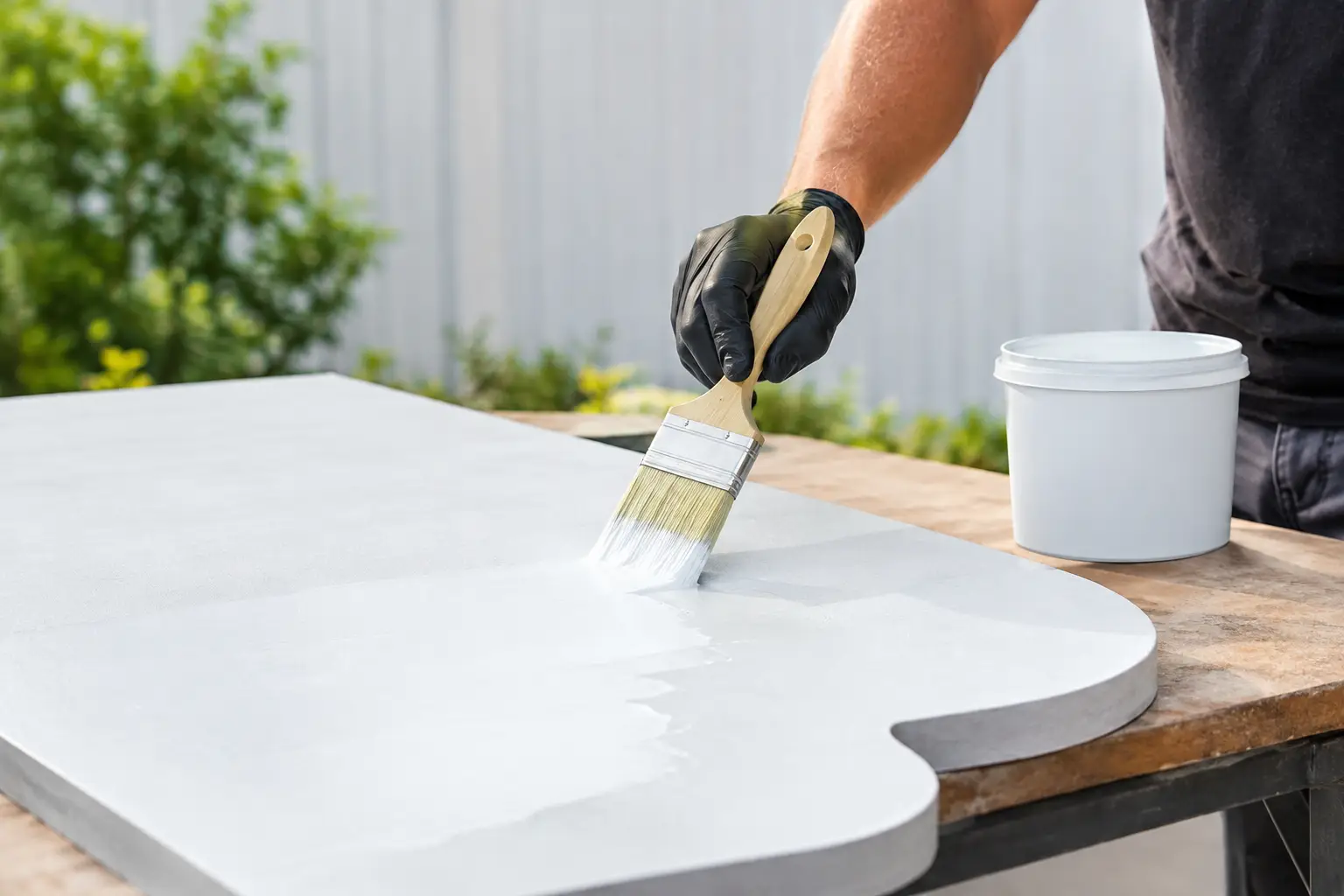
A routed HDU panel can look finished as soon as it comes off the CNC table, but it is not ready for exterior paint at that point. So, does HDU require primer? For most painted exterior sign applications, yes. Primer is the coating step that prepares 15-pound sign-grade HDU for a more uniform finish, improves paint adhesion, and helps protect routed detail from uneven paint absorption and premature wear.
The better question is not whether primer is optional in the abstract. It is whether the selected primer, topcoat, surface preparation, and finished design work together for the sign’s exposure, color scheme, and level of detail.
Why HDU Primer Is Usually Part of a Proper Finish
HDU does not behave like raw wood. It will not split, rot, cup, or absorb moisture in the same way, and it does not need primer to block wood tannins. Still, its machined surface has a cellular structure that can leave a different texture in flat areas, routed recesses, carved backgrounds, and cut edges. Applying finish paint directly to bare HDU can produce inconsistent sheen or make the substrate texture more visible than intended.
A compatible primer creates a more controlled surface. It helps paint lay down evenly across the panel and makes it easier to achieve clean color separation between raised copy, borders, logos, and background fields. This matters most on signs intended to be viewed up close, such as entrance signs, wayfinding panels, office identification, and monument sign replacement faces.
Primer also supports a complete coating system. Exterior paint is expected to manage sunlight, moisture, temperature changes, cleaning, and ordinary airborne contaminants. The primer is not a substitute for a quality exterior topcoat, but it gives that topcoat a stable base to bond to.
When HDU May Need More Than One Primer Coat
One coat may be sufficient on a simple, smoothly routed sign face when the specified coating system covers well and the finish color is forgiving. That is not every project. Deeply carved HDU, simulated woodgrain, sandblasted textures, and routed letter returns have much more surface area than a plain panel. Those areas often need additional attention to avoid thin spots.
A second primer coat can be appropriate when the first coat reveals surface variation, when a textured background needs a more even finish, or when a high-contrast color scheme will make imperfections obvious. Very light colors, gloss finishes, and smooth contemporary sign designs typically demand more surface discipline than dark, low-sheen, textured designs.
The goal is not to keep adding material until every routed texture disappears. On a carved sign, the texture may be intentional. The goal is to seal and coat the surface evenly while preserving the approved profile, recess depth, and edge definition.
Routed edges and recessed areas deserve inspection
The edges of raised letters, V-carved copy, prismatic shapes, and deep pockets are where coating shortcuts become visible. Paint can pull away from sharp transitions, pool in low areas, or leave a dry appearance on vertical walls if application is rushed.
For dimensional sign components, inspect those transitions under good light before moving to finish coats. If the project includes separate HDU letters or logo pieces, inspect their sides and edges as carefully as their faces. A component that looks acceptable on a worktable can show uneven coverage once it is installed at eye level on a contrasting wall.
Choosing a Primer for Sign-Grade HDU
The primer should be compatible with both the HDU substrate and the exterior finish paint. Manufacturers of paint systems publish application and recoat requirements for their products, and those requirements should govern the selected system. Mixing products without confirming compatibility can create adhesion issues, soft coatings, or recoat problems that may not appear immediately.
For most painted HDU signs, an exterior-grade acrylic primer is a practical choice when paired with a compatible exterior acrylic topcoat. The specific product should be selected according to the required color, sheen, application method, expected exposure, and the paint manufacturer’s instructions. A coating intended for interior trim is not automatically suitable for an exterior sign panel just because it looks smooth at application.
Avoid treating primer as a generic white undercoat. Its color can affect coverage, especially under bright reds, yellows, deep blues, or other colors that require multiple finish coats. A tinted primer may reduce the amount of topcoat needed and improve color consistency, provided it is approved within the chosen coating system.
If a project includes acrylic, PVC, aluminum composite, or metal-faced elements alongside HDU, those materials may require different surface preparation or primers. One coating process should not be assumed to fit every material in a layered sign assembly. Confirm the substrate of each component before finishing begins.
Surface Preparation Before Priming HDU
Good primer cannot correct dust, machining debris, damaged edges, or unapproved repairs. Surface preparation begins after routing and before any coating is applied.
First, remove dust thoroughly from faces, pockets, edges, and drilled mounting holes. Compressed air can help clear routed detail, but it should be followed by a clean method of dust removal so debris is not simply redistributed across the sign. Inspect the panel for loose material, tool marks that exceed the approved finish expectation, dents, or edge damage from handling.
Next, address only the areas that need correction. Light sanding can refine a smooth face or soften a minor machining mark, but aggressive sanding can alter crisp edges and reduce intended texture. On a sign with carved grain or a sandblasted look, sanding every surface flat defeats the design.
Any filling or repair compound should be compatible with HDU and the planned coating system. Let repairs cure fully, then sand or shape them to match the surrounding profile before priming. If the sign will be painted in several colors, establish the finishing sequence before masking. It is easier to protect a clean primed surface than to correct pulled paint edges later.
Primer Application Affects the Finished Sign
Brushes, rollers, and spray equipment can all be used successfully when matched to the sign profile and coating instructions. Spray application may provide an even finish on broad panels and detailed routed areas, while brush work can be useful for edges, returns, and recessed copy. The method matters less than achieving complete, consistent coverage without filling important detail.
Apply primer at the manufacturer’s recommended spread rate. A coat that is too thin may leave a porous or uneven appearance. A coat that is too heavy can soften fine routed lines, bridge small gaps, or create runs along vertical surfaces. Allow the required dry and recoat time, taking shop temperature and humidity seriously. Coating schedules that work in a controlled finishing area may need adjustment in damp or cold conditions.
After primer has cured as specified, inspect the sign again. Look across the face from an angle to identify missed edges, uneven texture, pinholes, or debris. This inspection stage is the practical difference between a sign that merely has paint on it and one that is prepared for a durable finish.
Cases Where Primer May Not Be Needed
There are exceptions. HDU may not require a conventional paint primer when the component will receive a specialty coating system that includes its own approved base layer, when a manufacturer specifies a direct-to-substrate product, or when HDU is not being painted at all. Those are system-specific decisions, not assumptions to make from a general rule.
For example, a metal-faced letter mounted over an HDU backing panel may leave the metal component unpainted while the HDU receives a full primer and paint schedule. Likewise, an interior decorative component with limited handling and no exterior exposure may have different finishing requirements than a freestanding property sign exposed to sun and rain.
The finish also depends on the project scope. A factory-finished routed panel, a supplied-but-unfinished HDU blank, and a sign assembled and painted by an installer are different deliverables. The written scope should state who is responsible for finishing, color matching, mounting preparation, and final field inspection.
Primer Is a Production Decision, Not an Afterthought
For exterior HDU signage, primer is normally part of the fabrication discipline that protects the visual work already built into the panel. It supports cleaner color, more even sheen, and better coating performance without changing the reasons HDU was selected in the first place: stable dimensional forms, carved detail, and a durable alternative to natural wood.
Before approving a sign for finish, confirm the material, routed profile, intended paint system, color specifications, and exposure conditions. If a sign must match an existing monument face or property color standard, verify the approved color reference before production rather than relying on a screen image or verbal description.
A well-primed HDU sign gives the finish coat a fair chance to perform. That is a small step in the shop, but it protects the craftsmanship, readability, and professional appearance the finished sign is expected to deliver for years.