The Sign Customers See Before They Meet You
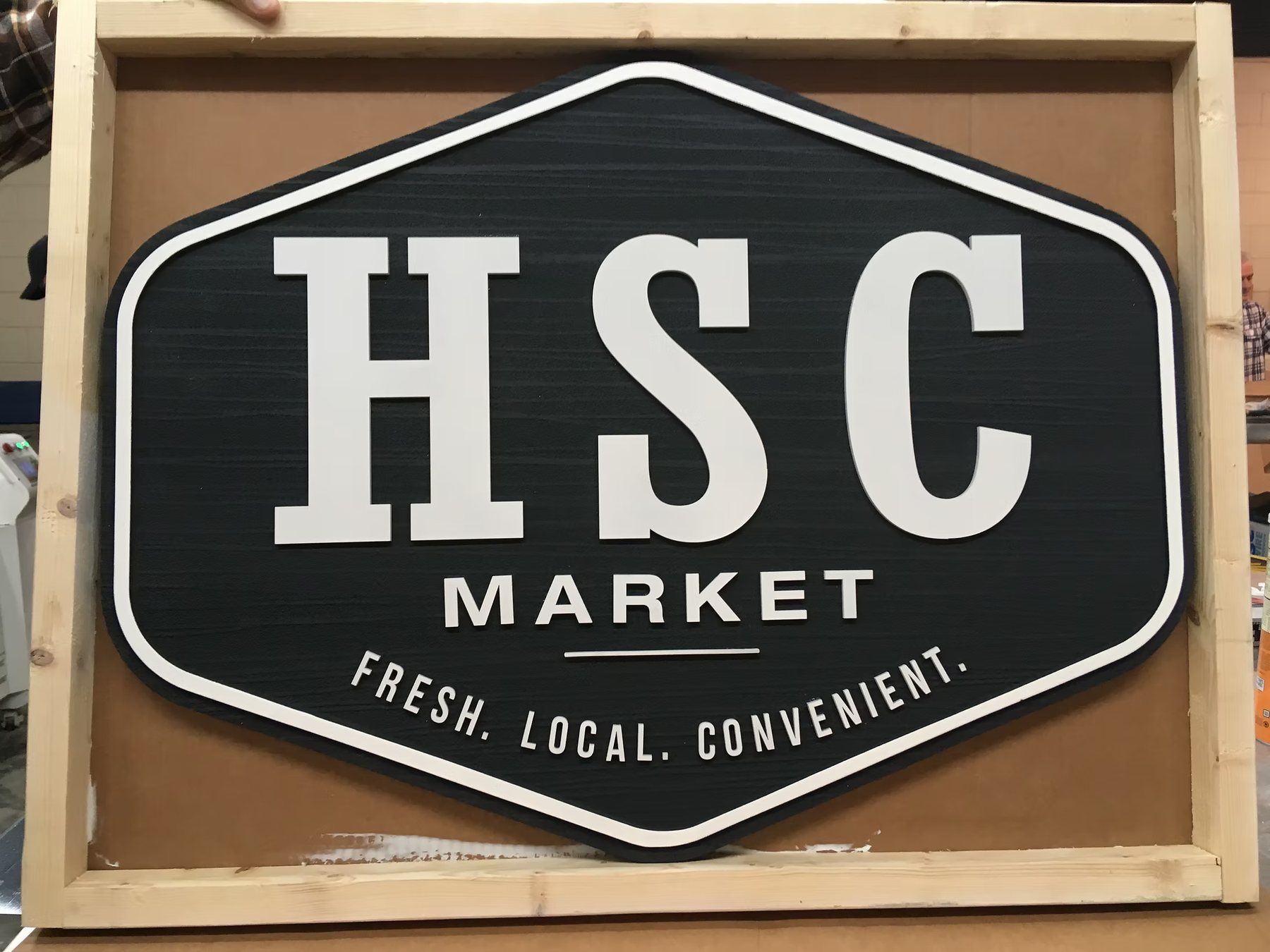
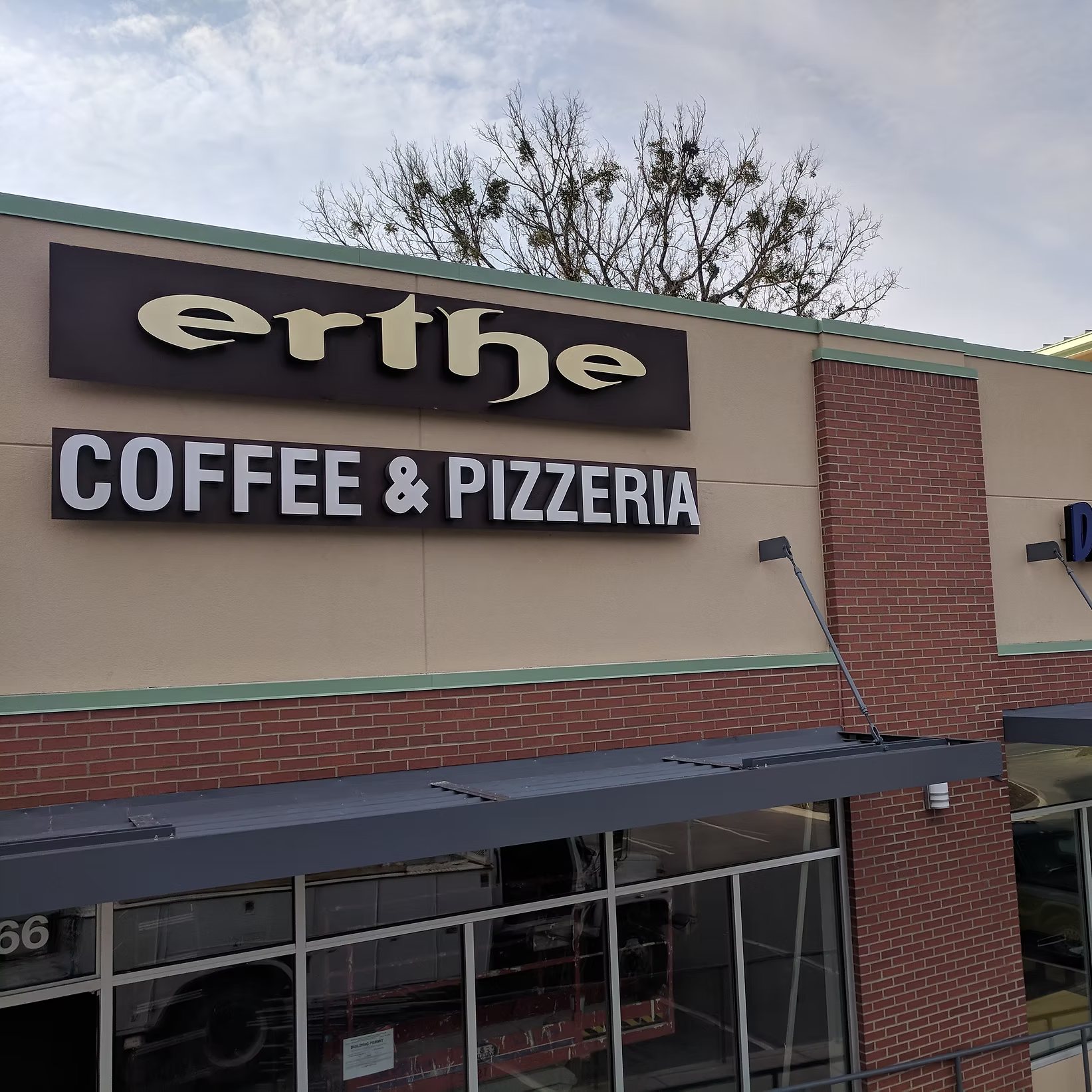
Exterior signage often creates the first physical impression of a business. It needs to be readable at the intended distance, consistent with the property and strong enough for outdoor use. The right solution may be a routed panel, dimensional letters, a layered logo, a hanging sign or a replacement face for an existing monument. We manufacture these components for businesses, contractors, sign brokers and professional sign shops.
Good outdoor sign planning starts with the site. The same design behaves differently on a roadside monument, a pedestrian storefront and a building façade. Traffic speed, viewing angle, landscaping, wall color and available structure all affect the layout. A photograph and approximate measurements help us shape the quote around the real location rather than a generic sign size.
- Roadside entrance and monument panels
- Building-mounted dimensional letters
- Hanging and projecting sign faces
- Storefront and office exterior signs
- Replacement faces for existing structures
Choose the Sign Type Before Decoration
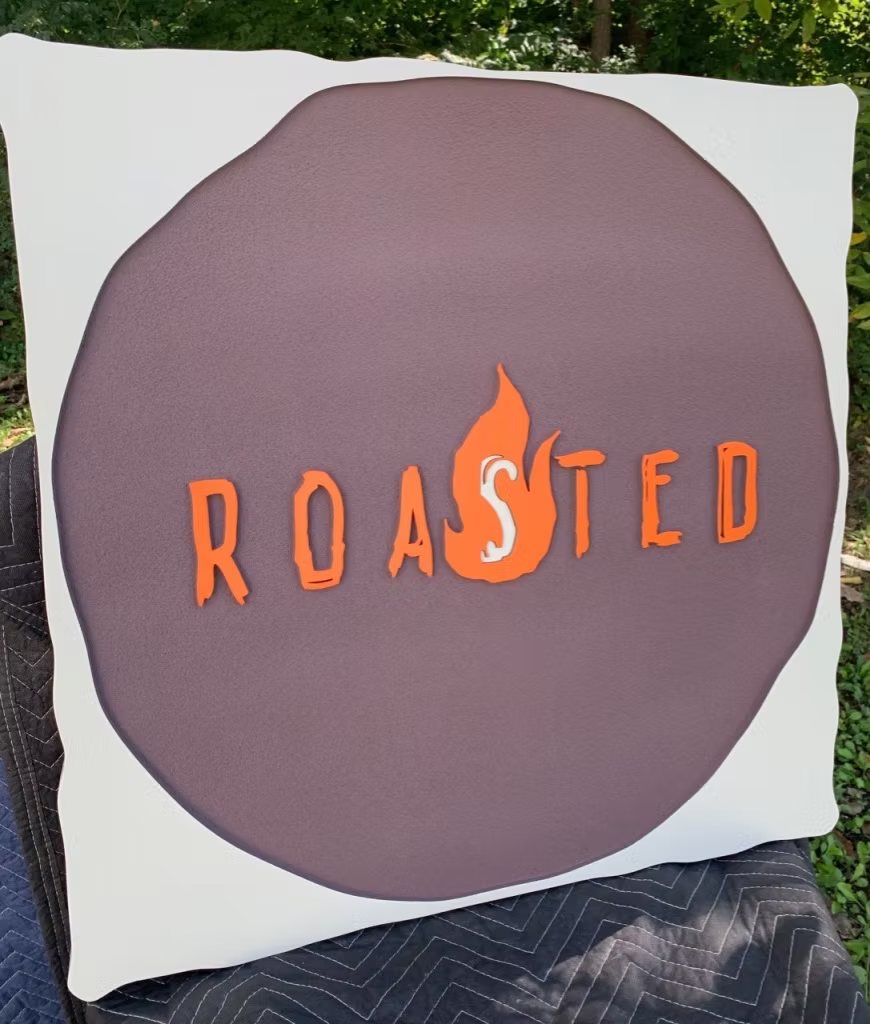
The main sign type determines the rest of the project. A panel sign carries the entire message on one manufactured face. Dimensional letters mount individually or onto a backing panel. A layered sign combines a base, border, logo and raised copy. Hanging signs require attachment points and balanced weight. Monument faces need dimensions that coordinate with an existing cabinet or masonry structure.
Once the basic type is established, we can address shape, border, texture, color and depth. This order matters because decoration cannot correct a sign that is too small, too complicated or poorly suited to the location. A clear visual hierarchy keeps the business name first, supporting information second and decorative details only where they improve recognition.
- Panel signs for complete messages
- Individual letters for architectural depth
- Layered signs for premium branding
- Hanging signs for pedestrian areas
- Replacement panels for existing monuments
Why HDU Works Well Outdoors
High-density urethane is widely used in routed sign work because it machines cleanly and does not rot like natural wood. Our standard 15-pound exterior-grade HDU can be carved, pocket-routed, textured and shaped into detailed panels. It is especially useful when a design needs the traditional look of a carved or woodgrain sign without relying on a wood panel that may move with moisture.
HDU still requires proper fabrication, priming, paint and installation. It should not be marketed as maintenance-free or indestructible. The finish will age according to sun exposure, climate, color and care. A well-planned HDU sign, however, provides a stable base for dimensional and carved outdoor graphics and can be refinished when the coating eventually needs attention.
- Closed-cell sign substrate
- Crisp routed lettering and borders
- Custom shapes and layered details
- Painted to specified color codes
- Suitable for many non-illuminated exterior signs
Information Needed for an Accurate Quote
Outdoor sign pricing is driven by size, thickness, number of sides, design complexity, finish and shipping. A six-foot double-sided entrance sign is not simply twice the cost of a three-foot panel because it may require different material handling, packaging and construction. Provide the outside dimensions, quantity and whether both faces need graphics. Also identify whether the order is a finished sign or a manufactured component for another sign company to complete.
Site photographs help reveal details that drawings may omit. Include the existing structure, wall or posts, and show the surrounding area when possible. We do not determine local sign-code compliance from a photograph. The buyer, contractor or local sign professional remains responsible for permits, engineering and installation requirements that apply at the project location.
- Overall width and height
- Single- or double-sided requirement
- Artwork or clear design reference
- Finish and color information
- Shipping ZIP and required date
How a Project Moves From Idea to Shipment
A successful custom sign order is a controlled manufacturing process rather than an instant print job. The first step is identifying the finished result: what the sign or letters must say, where they will be used, the overall size, quantity, visual style and delivery location. Direct business customers can describe the appearance in ordinary language. Sign shops can provide technical specifications, vector files and production notes. Either approach is acceptable as long as the final scope becomes clear before cutting begins.
We review the information for manufacturability and quoting. That review may identify narrow letter strokes, unsupported areas, unrealistic depths, incomplete dimensions or artwork that needs to be converted into clean vector paths. The written quote states the component being supplied, material, thickness, finish, quantity, packaging and shipping. An approval drawing or documented specification then becomes the production reference. The customer should check spelling, dimensions, colors, quantities and sidedness carefully because custom products are manufactured specifically for that order.
After approval and payment requirements are completed, material is allocated and the project enters production. CNC work may include outside profiling, pocket routing, v-carving, texture, holes and separate dimensional layers. Parts are sanded and prepared for the finish listed in the quote. Completed work is inspected, photographed when appropriate and packaged to protect edges and painted surfaces. Shipment details are provided according to the agreed delivery method. Field measurements, permits, structural supports and installation remain the responsibility of the customer or installer unless those services are expressly included in writing.
Information That Helps Us Quote Accurately
A photograph or rough idea is enough to begin a conversation, but accurate pricing requires specifics. Include the exact finished width and height, quantity, whether the sign is single- or double-sided, and whether you need raw components or a fully finished product. Supply the best logo file available and list every paint color by code when possible. For replacement faces, provide straight-on photographs, the opening measurements, recess depth and mounting details. For dimensional letters, include the desired letter height, overall line width and installation surface.
Shipping can influence construction and packaging, especially for large panels or fragile shapes. Include the delivery ZIP code, whether the location is commercial or residential, and whether a loading dock or forklift is available for freight. Also tell us the required date. A requested date is not guaranteed until production and transit are confirmed, but early notice helps identify the correct shipping method. Complete information reduces back-and-forth, prevents assumptions and produces a quote that clearly states what will arrive.