HDU Explained Without Sign-Shop Jargon
HDU is a rigid urethane board made in sheets and different densities. It is not the soft upholstery foam people may picture when they hear the word foam. Sign-grade HDU is firm enough to route, carve, sand, prime and paint. Its closed-cell structure does not absorb water in the same way unfinished wood does, which makes it useful for many exterior sign applications.
Most customers do not need to know the material name before requesting a quote. They may simply need outdoor letters, a subdivision entrance panel, a church sign or a dimensional business logo. The manufacturer selects a construction that fits the size, design, mounting and environment. Explaining HDU helps customers understand why a sign can have the appearance of carved wood while using a more stable manufactured substrate.
- Rigid sign-board material
- Machinable with CNC routers
- Suitable for dimensional relief
- Accepts primers and exterior coatings
- Available in multiple thicknesses
Why Sign Makers Use 15-Pound HDU
Density describes the approximate weight and structural character of the material. Higher-density products generally provide finer detail and greater resistance to dents, although thickness, design and support remain important. Our standard HDU offering is 15-pound material because it provides a strong balance for routed signs, dimensional components and many exterior projects.
Density alone does not determine whether a sign is well built. A large thin panel can still flex, and a narrow letter can still be fragile. Proper design leaves enough material around mounting points and avoids weak shapes. Coatings, adhesives, hardware, packaging and installation also influence long-term performance.
- Standard 15-pound sign-grade material
- Clean routed detail
- Useful for layered assemblies
- Appropriate thickness selected by design
- Engineering and support considered separately
How HDU Becomes a Finished Sign
The process begins with vector artwork and a scaled production drawing. A CNC router cuts the outside profile, pockets, borders, lettering and textures. Components may be machined separately and laminated to create deeper relief. Edges are sanded, surfaces are prepared and compatible primers and topcoats are applied according to the project specifications.
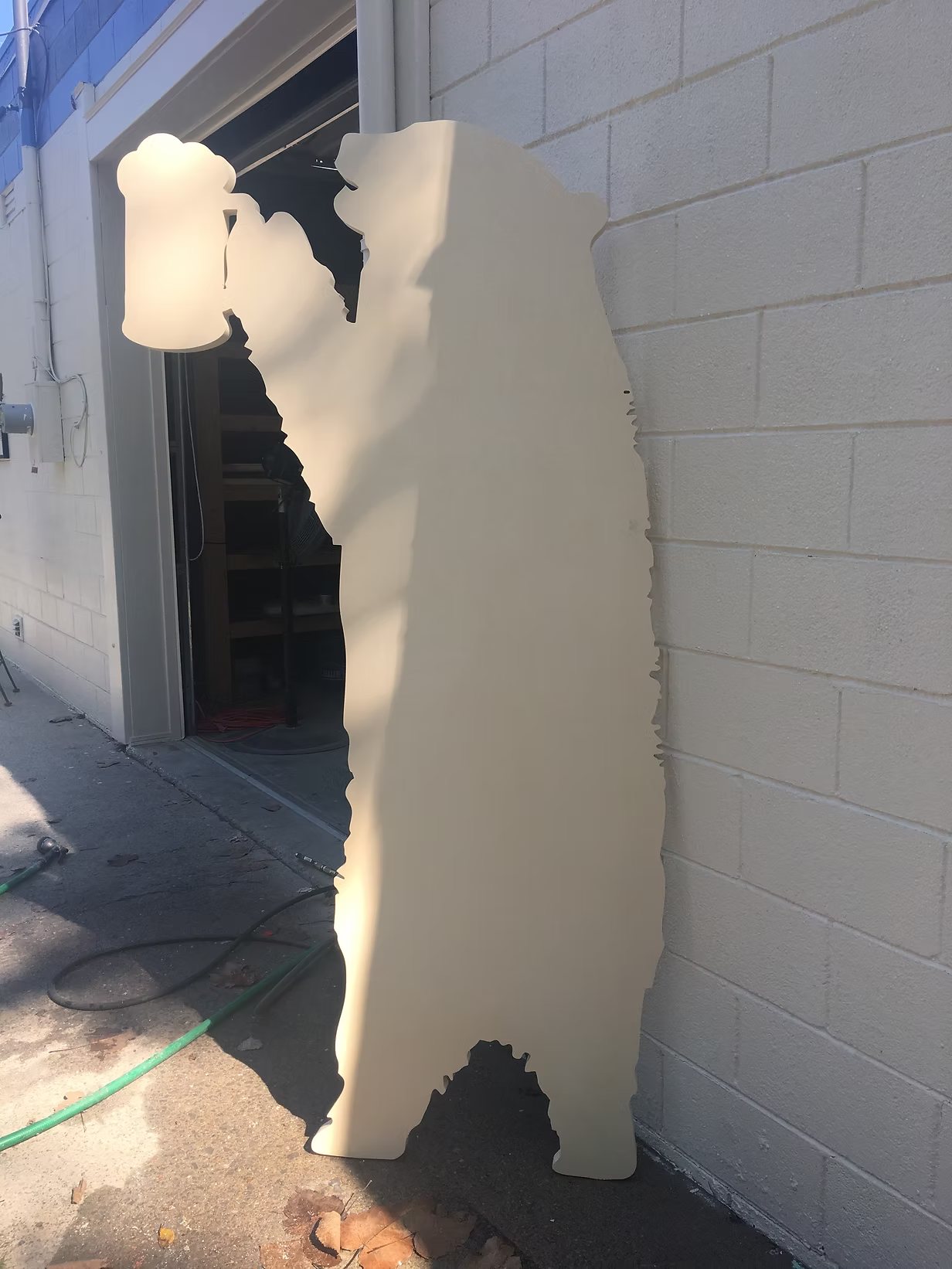
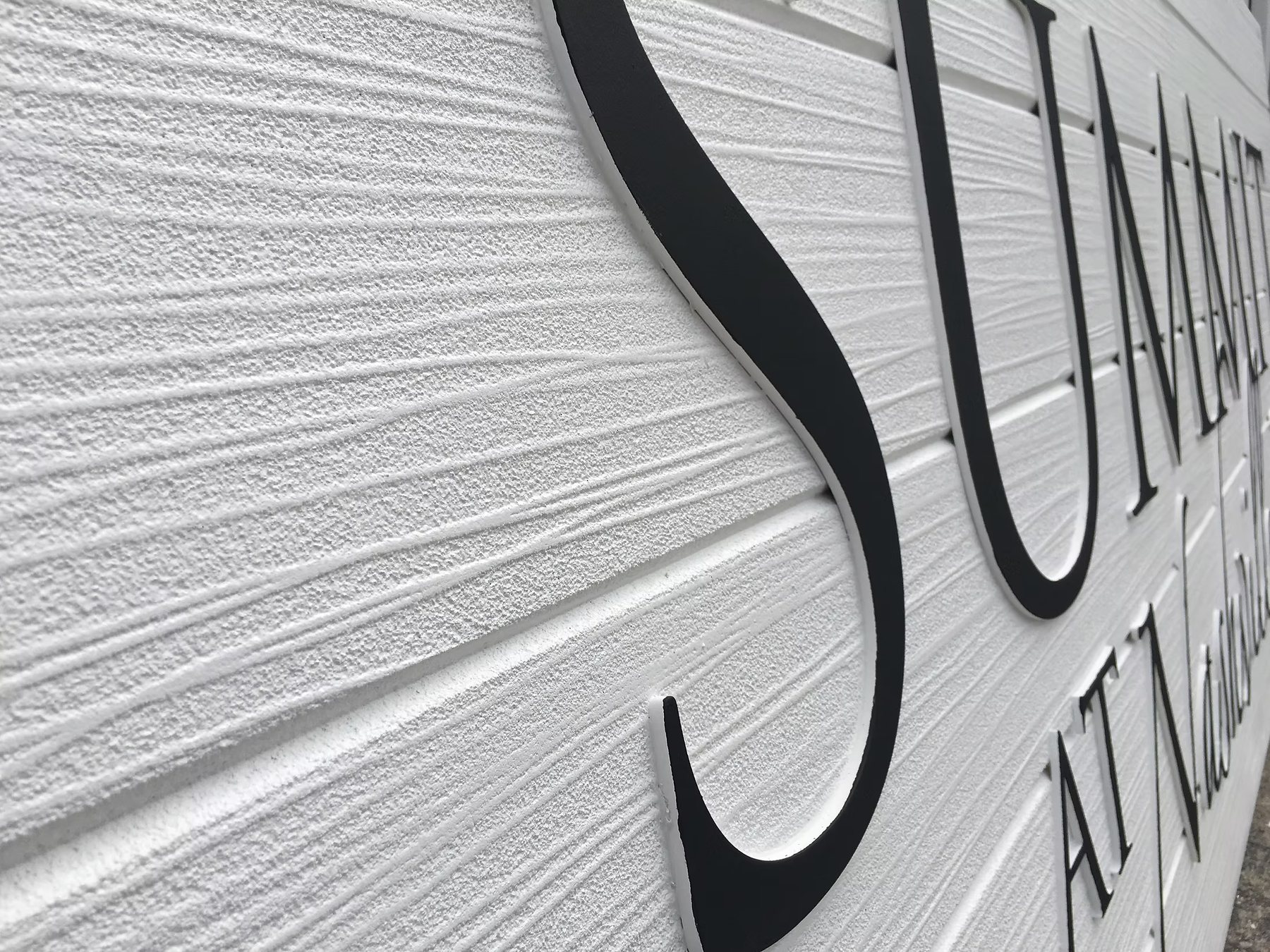
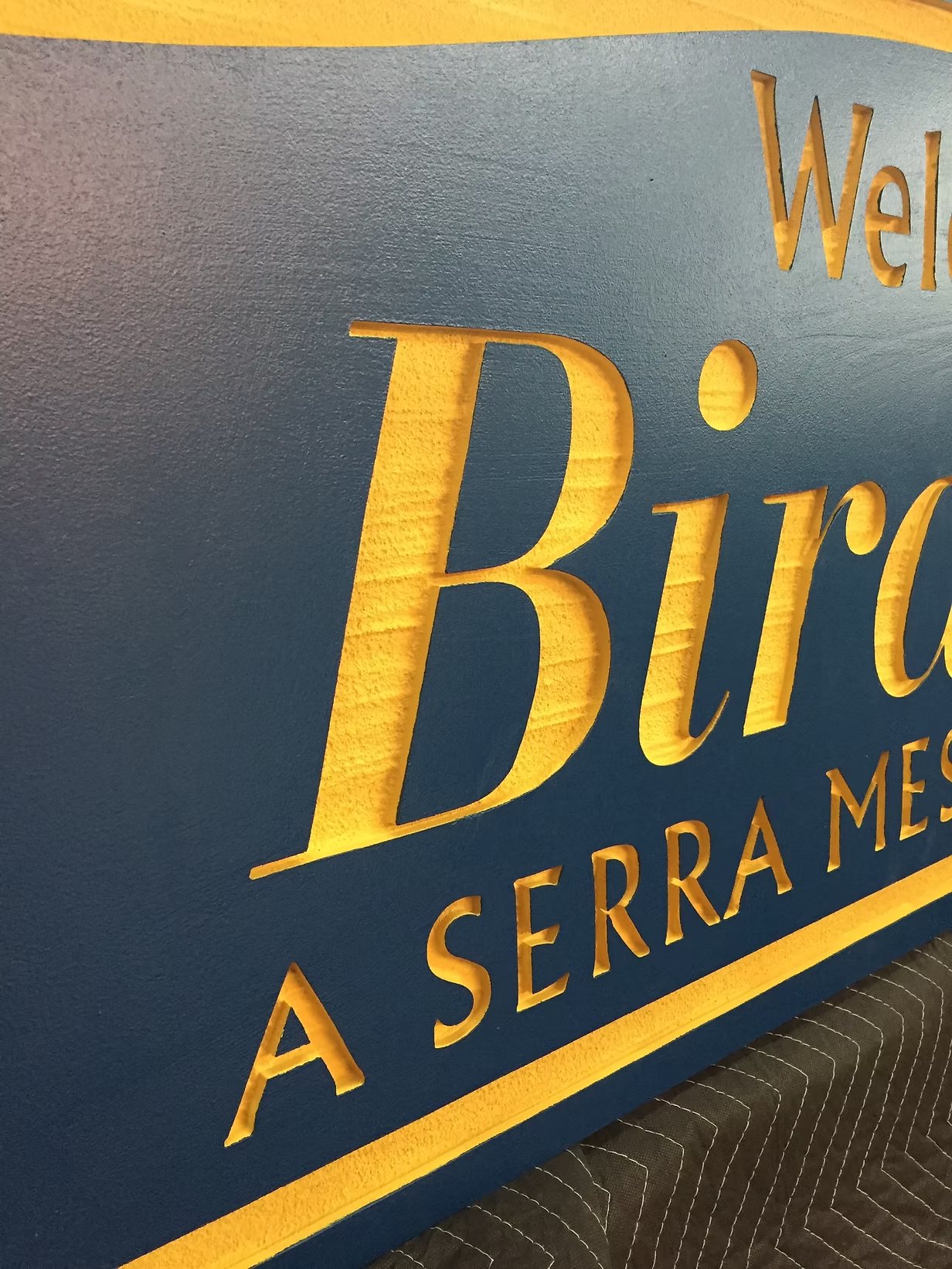
Finished signs can include raised letters, recessed copy, faux woodgrain, painted borders, acrylic overlays, metal-faced elements and installation hardware. Raw cut blanks are also available for sign shops that prefer to route or finish the material themselves. Every operation should be identified in the quote so the customer knows exactly what will arrive.
- Vector file and approval drawing
- CNC cutting and routing
- Sanding and surface preparation
- Primer and finish coating
- Packaging for nationwide shipment
When HDU Is—and Is Not—the Right Choice
HDU is commonly considered for non-illuminated dimensional signs, hanging panels, monument faces, entrance signs, carved-style plaques and separate letters. It is especially attractive when a customer wants depth, texture or a wood-like appearance without using actual lumber.
It is not automatically the correct material for every sign. Very large unsupported panels, internally illuminated cabinets, extreme impact areas or thin structural parts may require aluminum, acrylic, PVC, steel or a combined construction. A good sign plan starts with the application and selects material afterward rather than forcing every project into one substrate.
- Entrance and monument panels
- Dimensional letters and logos
- Carved and woodgrain appearances
- Interior branded displays
- Combined-material sign systems
How a Project Moves From Idea to Shipment
A successful custom sign order is a controlled manufacturing process rather than an instant print job. The first step is identifying the finished result: what the sign or letters must say, where they will be used, the overall size, quantity, visual style and delivery location. Direct business customers can describe the appearance in ordinary language. Sign shops can provide technical specifications, vector files and production notes. Either approach is acceptable as long as the final scope becomes clear before cutting begins.
We review the information for manufacturability and quoting. That review may identify narrow letter strokes, unsupported areas, unrealistic depths, incomplete dimensions or artwork that needs to be converted into clean vector paths. The written quote states the component being supplied, material, thickness, finish, quantity, packaging and shipping. An approval drawing or documented specification then becomes the production reference. The customer should check spelling, dimensions, colors, quantities and sidedness carefully because custom products are manufactured specifically for that order.
After approval and payment requirements are completed, material is allocated and the project enters production. CNC work may include outside profiling, pocket routing, v-carving, texture, holes and separate dimensional layers. Parts are sanded and prepared for the finish listed in the quote. Completed work is inspected, photographed when appropriate and packaged to protect edges and painted surfaces. Shipment details are provided according to the agreed delivery method. Field measurements, permits, structural supports and installation remain the responsibility of the customer or installer unless those services are expressly included in writing.
Information That Helps Us Quote Accurately
A photograph or rough idea is enough to begin a conversation, but accurate pricing requires specifics. Include the exact finished width and height, quantity, whether the sign is single- or double-sided, and whether you need raw components or a fully finished product. Supply the best logo file available and list every paint color by code when possible. For replacement faces, provide straight-on photographs, the opening measurements, recess depth and mounting details. For dimensional letters, include the desired letter height, overall line width and installation surface.
Shipping can influence construction and packaging, especially for large panels or fragile shapes. Include the delivery ZIP code, whether the location is commercial or residential, and whether a loading dock or forklift is available for freight. Also tell us the required date. A requested date is not guaranteed until production and transit are confirmed, but early notice helps identify the correct shipping method. Complete information reduces back-and-forth, prevents assumptions and produces a quote that clearly states what will arrive.